



 Stardew Valley

 Palworld
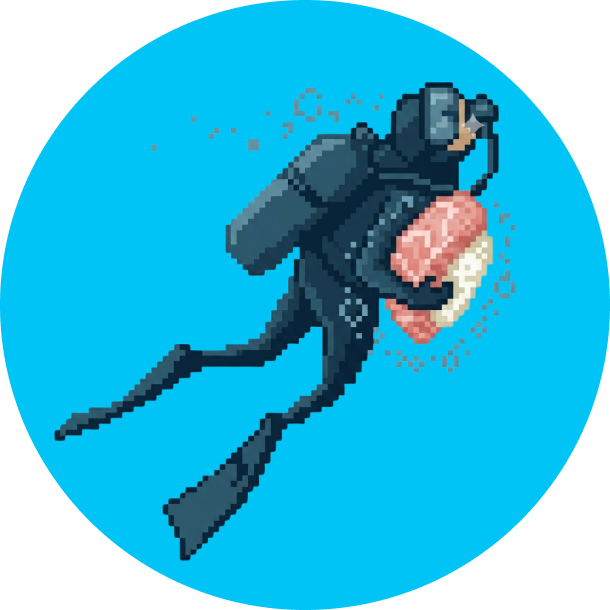 Dave the Diver
 Fields of Mistria
 Starsand Island
 My Time at Sandrock
 Coral Island

The Simple Loop Behind Satisfying Short-Session Games
A good short-session game is not just a smaller version of a longer one. It is built around fast feedback: do one thing, see what changed, then decide whether to repeat. That is why watering a row of crops can feel more satisfying than a sprawling RPG with twenty unfinished tasks in the quest log. Five minutes can feel complete when the loop closes. Fifteen minutes can feel scattered when it does not.
The Small Contract Behind A 10-Minute Session
Casual games are often easy to learn and playable in short periods, but that does not make them empty. In a Frontiers in Psychology study on cognitive training with casual video games, the useful everyday point is that short games can still involve rules, goals, and skill demands. The same logic explains why a small session works best when the player can read the whole shape of it before attention thins.
A quick way to test that shape is to compare games where the feedback arrives fast, such as in a casino. These platforms tend to offer lots of casual games to be explored, many of which depend on a short loop, simple gameplay, and satisfaction. The 7signs online casino gives a clear setting for that comparison because it has a wide variety of titles, including online slots, quick-play arcade games, classic table games, and live dealer formats across its game library. Instead of looking at the theme of these games, ask yourself what the basic gameplay loop is and how this affects the feedback the user receives.
In a slot, the action may be a spin, the feedback is visual and immediate, and the reset is clear enough for another round. In an arcade-style game, the action is usually a simple input or timing choice, followed by a reaction that tells you whether the move landed. In table-style games, the loop slows down because setup, reveal, and reset carry more of the meaning. That difference matters. A short game is only short on the clock. A complete short-session game gives the player a full cycle of action, feedback, reset, and optional replay without asking for a long mental warm-up.
Closure Matters More Than Genre
Short-session games are usually grouped by platform: mobile, handheld, browser, console, or quick-play online formats. That grouping helps with discovery, but it is not what makes the session feel finished. The stronger question is whether the game gives you closure before it asks for more attention.
Farming sims are another good example because they often contain much more depth than their relaxed reputation suggests. A day can include crops, animals, mining, gifting, crafting, errands, and relationship progress. Yet many of those systems are built from small loops. Water the plants. Feed the animals. Sell what you gathered. Visit one villager. Sleep, then see what changed. The day might be long if you choose to stretch it, but the individual loops are easy to complete.
Mobile puzzles use the same principle in a tighter space. A block puzzle works because the board reacts to every placement. A match game works because the result is visible right away. A word game works because each guess narrows the field. A slot game works because the reels turn and icons line up. None of these needs a huge story beat to feel satisfying. They just need the player to understand what the last action did.
The mistake is thinking that short-session design means removing depth. It usually means moving depth closer to the player’s next decision. A tiny loop can still contain timing, judgment, memory, pattern reading, or planning. The session feels light because the game does not bury that information under a long setup.
When A Loop Starts to Feel Unclear
Vague loops are easy to spot once you know the signs. The game gives you several tasks, but no obvious first move. The feedback arrives too late to connect it with your action. The session ends only because you run out of time, not because the game offered a natural stopping point. That is when a quick game begins to feel oddly unfinished.
A clean loop does not have to be slow, cozy, or simple in every detail. It just needs to answer three questions quickly. What am I doing now? What changed because I did it? Where can I stop without losing the thread? A game that answers those questions respects a tired player better than one that keeps adding icons, chores, timers, and side systems before the main rhythm is clear.
The best short-session games also make replay feel like a choice. After one crop route, one puzzle board, one arcade attempt, or one table round, the player should be able to pause without feeling stranded. That pause is part of the design. It lets a small session hold its shape.
Short-session games work because they give attention somewhere useful to land. The loop does not need to be loud. It needs to be readable, repeatable, and easy to leave on a clean note. When that balance is right, a few minutes can feel like a finished piece of play, rather than a fragment, which connects neatly to PLOS ONE’s work on player involvement as a result of difficulty.